At COP31, Pakistan's Sharif pushes for grant-based climate finance
Prime Minister Shehbaz Sharif returned home after addressing the COP31 leaders' summit in Turkey, where he pressed for climate finance based on grants, not loans.
Prime Minister Shehbaz Sharif left Antalya for Pakistan on Thursday after a three-day visit to Turkey, where he addressed the COP31 Leaders' Summit and held bilateral meetings with leaders including Turkish President Recep Tayyip Erdogan.
Sharif returned home after using the summit platform to press a case that climate-vulnerable countries have made with increasing urgency: that the finance needed to deal with climate damage should be provided as grants, not as loans that add to national debt. His central message was one climate-vulnerable countries have repeated for years — finance to deal with damage they did little to cause should come as grants, not as more debt.
What happened
Sharif's three-day visit to Turkey centred on the COP31 Leaders' Summit in Antalya. He addressed the summit and held bilateral meetings with leaders including Turkish President Recep Tayyip Erdogan, according to the original reporting, before leaving for Pakistan on Thursday.
COP summits are the annual negotiating conferences where countries seek to agree on collective action on climate change, from emissions goals to adaptation and, crucially, finance. Leaders' segments are typically used to set political direction, while technical negotiations continue in parallel on the detailed texts that determine how commitments will be funded, monitored and delivered.
Within that setting, Sharif's intervention focused on the form that finance should take. Grants do not have to be repaid, while loans, even on concessional terms, add to a country's liabilities and must be serviced from public budgets. For a government already managing the costs of recovery from extreme weather, that distinction shapes whether support eases pressure or creates a further burden in later years.
The original report did not publish a full transcript of Sharif's address or a detailed readout of each bilateral meeting, and the precise proposals discussed in those meetings have not been set out in the source material. What is clear from the reporting is the emphasis: grant-based finance as a matter of fairness and practicality for countries facing severe climate impacts.
Why it matters
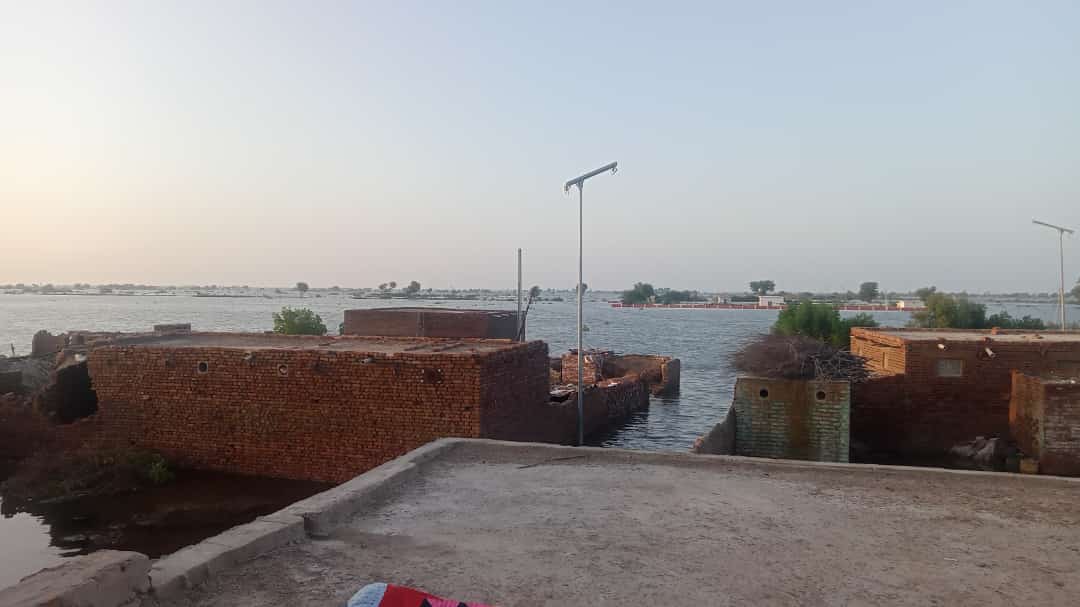
Pakistan has been hit by devastating floods and extreme heat in recent years, making the argument concrete rather than theoretical for its delegation. Floods can destroy homes, crops, roads and power systems in a matter of days, while extreme heat threatens health, labour productivity, water supplies and agriculture over longer periods. Recovery and adaptation — stronger flood defences, resilient infrastructure, early warning systems, heat planning — all require sustained investment before the next disaster, not only emergency relief after it.
That experience informs the long-running debate at COP negotiations over climate finance. Developing and climate-vulnerable countries argue that they have contributed the least to the historical emissions driving climate change, yet face some of its most severe consequences. Wealthier countries and international institutions, for their part, debate how much finance should be public or private, grant-based or loan-based, and how it should be targeted between cutting emissions, adapting to impacts and addressing loss and damage already incurred.
The grants-versus-loans question sits at the heart of that debate. If support arrives mainly as debt, countries may be forced to borrow to rebuild from a disaster they did not primarily cause, then borrow again to prepare for the next one. Advocates of grant-based finance argue that this cycle undermines both development and climate resilience. Critics of an all-grants approach point to the scale of funding needed globally and argue that a mix of instruments will be required. COP31 will be judged in part on whether it narrows that gap.
For Pakistan specifically, the stakes are immediate as well as diplomatic. How finance is structured affects the government's ability to plan reconstruction, protect vulnerable communities and invest in adaptation without worsening fiscal pressures. That is why the delegation presented the argument not as an abstract negotiating position but as a practical necessity.
What happens next
Whether COP31 produces a finance package that matches that demand will be one of the summit's defining tests. Leaders' speeches set the tone, but the outcome will be determined by the negotiated texts, the funding commitments that accompany them, and the mechanisms created or strengthened to deliver money to the countries and communities that need it.
In the days ahead, attention will turn to whether grant-based finance for climate-vulnerable nations features in draft agreements, how any new pledges are structured, and whether bilateral discussions held in Antalya translate into concrete partnerships or funding announcements. Pakistan's delegation will also be expected to brief on its meetings, including with Erdogan, once it is back home.
For now, Sharif's message from Antalya is clear in the reporting: Pakistan wants the international response to climate damage to reflect both responsibility and reality, with grants rather than additional debt at its centre. BreakingNewsWorld will follow the COP31 outcome and update this story when the summit's finance decisions are confirmed by the original sources.