Measles cases top 5,400 as U.S. deaths rise to 10 and elimination status hangs in balance
U.S. measles cases have topped 5,400 in the worst outbreak since 1991, with state health departments reporting 10 deaths this year as officials weigh whether the country has lost its elimination status.
Measles cases in the United States have topped 5,400 in the worst outbreak since 1991, federal data showed on Friday, as two more deaths — a child in Wisconsin and an unvaccinated adult in Pennsylvania — pushed the number of measles-associated deaths reported by state health departments this year to 10. The Centers for Disease Control and Prevention put the national count at 5,412 infections, up 230 in a single week and the 14th consecutive week of triple-digit increases. Between 2000 and 2024, the United States averaged just 180 measles cases a year.
The latest deaths underlined the outbreak's two poles. Wisconsin's health department said a child in Grant County, in the state's southwest, had died; more than a third of Wisconsin's 651 cases have been reported in that county, and a baby died in the state last week. In Pennsylvania, the state with the most cases, officials confirmed that an unvaccinated resident of Montour County had died — Pennsylvania's seventh measles-associated death this year. New York has recorded one death. The CDC's own confirmed death count, which lags state reporting, stands at six.
Hot spots drive the national count
Pennsylvania's 2026 total has reached 1,542 cases, more than any other state, after 61 new infections in the past week. Wisconsin reported 174 new infections, the most of any state this week. Ohio added 61 cases, bringing its total to 372, while Indiana reported 37 new infections for a total of 171 and Minnesota confirmed 21 new cases for a total of 160. The CDC says people who were unvaccinated, or whose vaccination status is unknown, account for 96 percent of reported cases, and the hospitalization rate remains at 11 percent. Children and teenagers make up most cases, and at least four of this year's deaths were children.
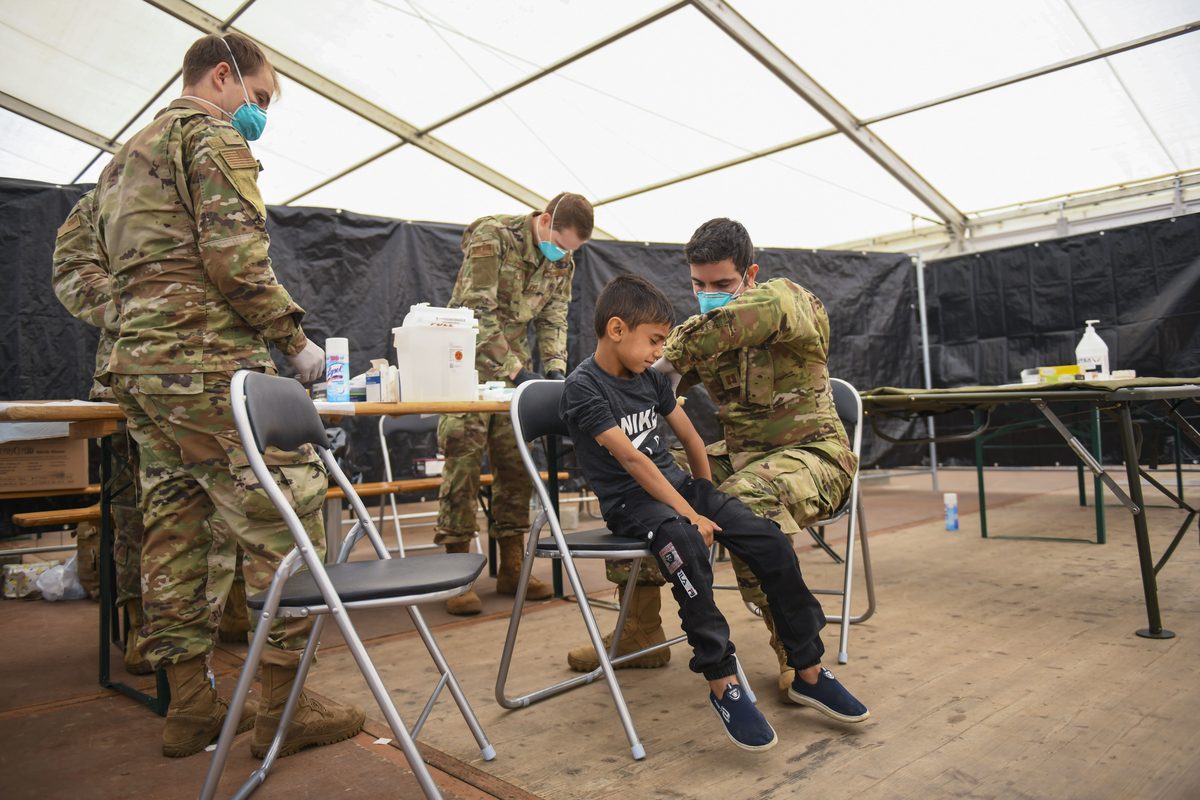
Pennsylvania officials see early signs of progress. State epidemiologist Lisa McHugh said the state's outbreak seems to be slowing, crediting vaccination campaigns that brought the measles, mumps and rubella vaccine to under-immunized communities, including through home visits. The state administered 56,000 MMR doses in September and 61,000 in October, against a normal monthly average of about 25,000. "We're hoping that continues," McHugh said, while warning that cases could rise again in late winter and early spring, when measles infections tend to spike.
Why officials say the true toll is higher
Epidemiologists warn that the official count almost certainly misses many infections. Genomic sequencing data from Utah, which had a large outbreak earlier this year, show genetic differences between cases too large to be explained by the infections authorities recorded, Noel Brewer of the University of North Carolina, who chairs the U.S. committee reporting to the Pan American Health Organization, told CIDRAP News. Many people with mild or moderate illness never seek care, he noted, and may not isolate, allowing further spread. The relatively high number of deaths points the same way: among unvaccinated children, an estimated one to three of every 1,000 measles cases is fatal.
"The United States is no longer a safe place for children in regards to measles," Brewer said during a webinar this week. The contrast with neighboring West Virginia is stark: it has reported just two cases all year. Unlike most states, West Virginia allows no religious or philosophical exemptions from school vaccine requirements, and an estimated 98.9 percent of its kindergartners received the MMR vaccine for the 2025-26 school year. Kindergarten coverage in the hardest-hit states is far lower: 85.1 percent in Wisconsin, 85.7 percent in Minnesota, 88.1 percent in Ohio and 92.7 percent in Pennsylvania.
A status earned in 2000 is now at risk
The surge has put a landmark public health achievement in jeopardy. Measles was declared eliminated in the United States in 2000, meaning the virus no longer spread continuously inside the country. A commission of the Pan American Health Organization met this week to determine whether the United States, like Canada before it, will lose that elimination status; a decision is expected on November 17. Experts say the virus is again endemic — spreading continuously — in North America, a reversal they attribute to years of falling vaccination rates that have left whole communities below the coverage needed to stop transmission.
For health departments, the immediate work is unglamorous and urgent: find the unvaccinated, staff the clinics and trace every exposure before the winter spike. Whether the elimination label survives this month's decision matters for America's standing as a global health leader. But as this week's two deaths in Wisconsin and Pennsylvania made plain, the cost of the outbreak is already being counted in something more concrete than status.