Mother Shipton: The Prophetess Whose Best Predictions Were Written 300 Years After She Died
Mother Shipton supposedly predicted cars, iron ships and the end of the world in 1881 — three centuries before any of it. In fact the famous verses were published in 1862 by a Brighton bookseller who later admitted he had invented them.
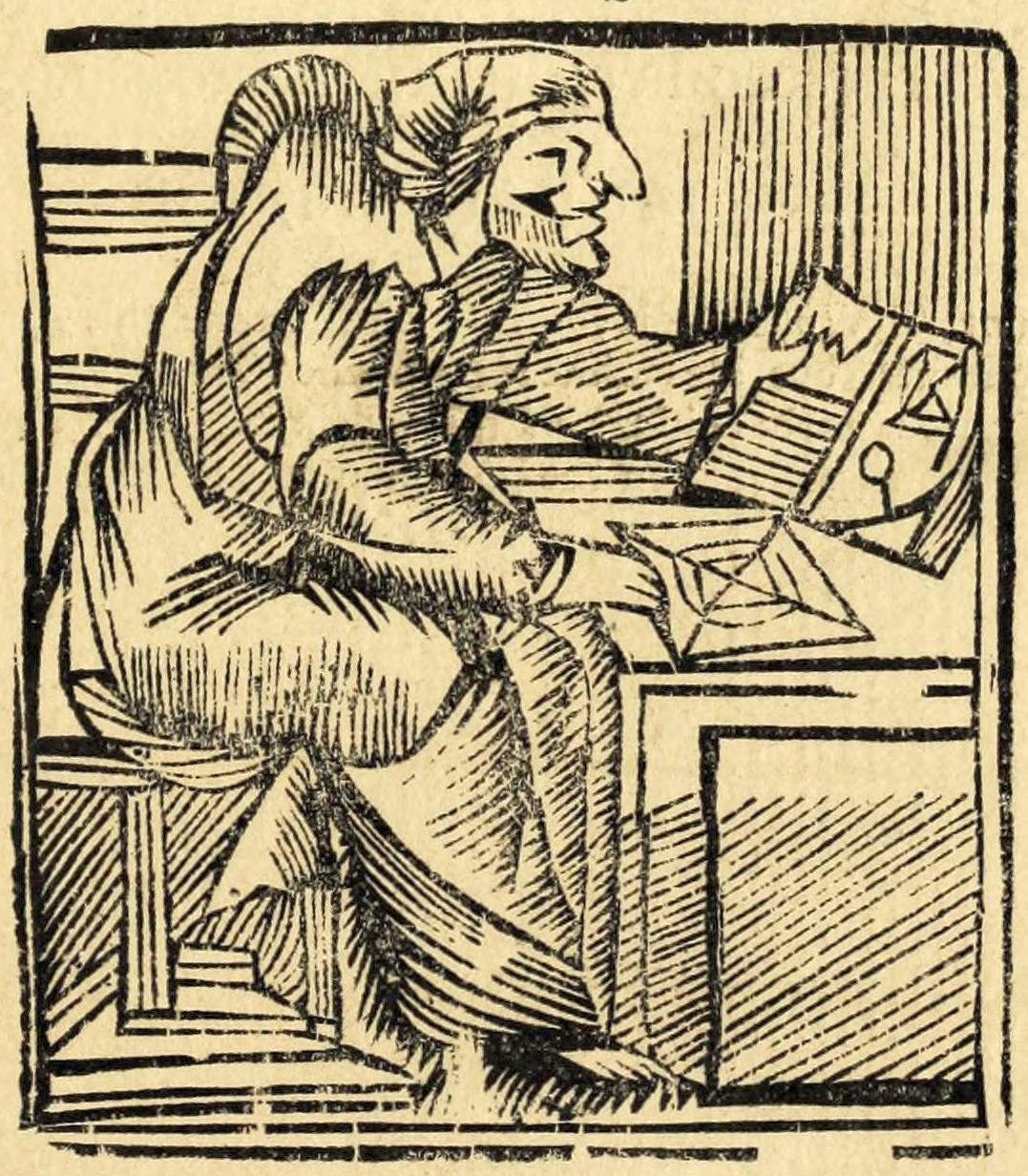
Ask the internet what Mother Shipton predicted and you will get an astonishing list: horseless carriages, iron ships that float like wooden boats, thoughts flying around the world in the twinkling of an eye — and the end of the world in 1881. There is only one difficulty. Ursula Southeil died in 1561, and the famous verses were published in 1862 by a Brighton bookseller who later confessed, in print, that he had written them himself. Mother Shipton is England's most famous prophetess — and the purest case on record of a prophet manufactured by her publishers.
The woman in the cave by the well that turns things to stone
Almost everything 'known' about her comes from books printed long after her death. The legend runs like this: Ursula Southeil was born around 1488 in a cave beside the River Nidd at Knaresborough, Yorkshire, to a 15-year-old mother, Agatha, who was herself whispered to be a witch. The cave stood next to the Dropping Well, a spring whose heavily mineralised water coats anything left beneath it — a bird, a glove, nowadays a teddy bear — in a crust of stone within a few months. It was the perfect birthplace for a prophetess, which is one reason historians suspect it was chosen for her later. Ursula was said to be uncannily ugly; she married a carpenter, Toby Shipton, in 1512, and earned a living telling fortunes until her death in 1561. The well became a paying attraction — England's oldest, open to visitors since 1630 — and Historic England's listing for the site notes drily that the tradition of her birth in the cave probably dates only from the nineteenth or twentieth century. No document from her own lifetime mentioning her has ever been found.
Eighty years of silence, then the pamphlets
The first printed collection of her prophecies appeared in 1641 — eighty years after she was supposed to have died. It was a thin, local affair: mostly predictions about Yorkshire families and places, containing just two prophetic verses, and nothing at all about future technology or the end of the world. A fuller 'life' followed in 1684, in which the hack writer Richard Head supplied the cave birthplace, the grotesque appearance and most of the biography still repeated today. The commercial logic was irresistible: a safely dead prophetess could be credited with 'foretelling' anything that had already happened. After the Great Fire of London in 1666, pamphlets announced that Mother Shipton had predicted it, and the diarist Samuel Pepys noted members of the royal household discussing her supposed foretelling of the fire — a prophecy printed, like the others, only after the event it claimed to foresee.
The Victorian verses that fooled the world
The Mother Shipton everyone quotes was created in 1862. Charles Hindley, a bookseller in Brighton, published an edition of her prophecies padded with more than a hundred rhymed couplets of suspiciously modern content: 'Carriages without horses shall go', 'iron in the water shall float, as easily as a wooden boat', thoughts flying around the world in the twinkling of an eye — and the finale: 'The world to an end shall come, in eighteen hundred and eighty one.' Readers took the verses for a seventeenth-century copy of a Tudor original, and as 1881 approached, some believers were genuinely frightened. Yet back in 1873 Hindley had already admitted to the journal Notes and Queries that he had composed the famous rhyme and others in his edition himself. The confession made almost no difference. The verses were reprinted for another century and a half — one twentieth-century edition simply moved the end of the world to 1991 — and they circulate online today, still attributed to a woman who died three centuries before they were written.
What survives at Knaresborough is real enough: the cave, the well still quietly crusting hats and bicycles into stone, and even a moth, Callistege mi, whose wing markings resemble a hag's face in profile and which naturalists named the Mother Shipton moth. The prophetess herself is harder to find. She is best understood not as England's answer to Nostradamus but as a publishing phenomenon — proof that if a prophecy sounds old, stays vague and comes attached to a sufficiently spooky well, it can be manufactured wholesale, confessed to in print, and believed anyway.