Nigeria clears 62 Ebola contacts with no new cases — but the outbreak is not over yet
Nigeria has completed 21 days of monitoring for 62 contacts of its first Ebola patient in more than a decade, with none of them falling ill.
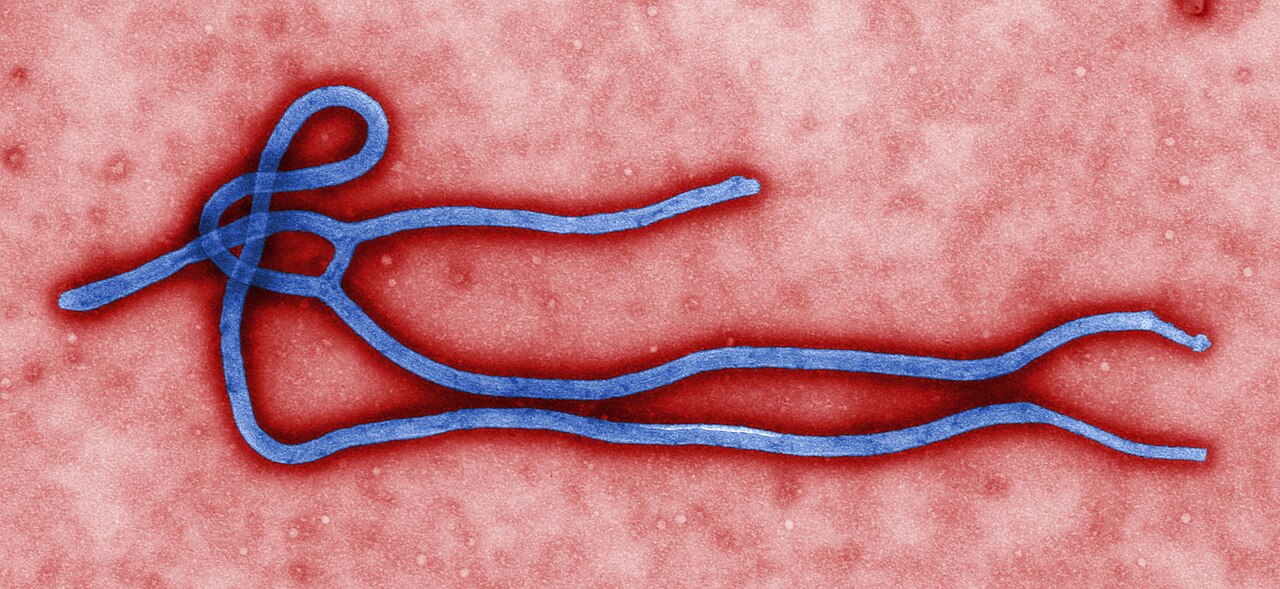
Nigerian health authorities have completed a 21-day monitoring period for the 62 contacts of a person who contracted the Ebola virus, with none of them falling ill.
Nigeria confirmed its first Ebola case in more than a decade on October 20 in a Swiss woman who had travelled to Uganda and then returned to Nigeria. The patient and her husband were evacuated to Switzerland, where she recovered fully and has been discharged from hospital.
The Nigeria Centre for Disease Control and Prevention (NCDC) said on Friday that none of the 62 contacts identified after the first case have developed the disease, with the last contact just discharged from monitoring.
Thirteen contacts reported fever or other non-specific symptoms during monitoring, but all of them tested negative for the virus, the NCDC said. Each fever was a moment of tension for the teams tracking the contacts, because fever is one of the earliest signs of Ebola — but in every case, testing cleared the person concerned.
Sixty-two contacts, zero cases
The result is a significant success for Nigeria's public health system, which has built its reputation on rapid contact tracing since the West African Ebola epidemic of 2014-16, when the country contained an imported outbreak with only a handful of cases.
Contact tracing is the unglamorous core of outbreak control. It means identifying every person who may have been exposed to a confirmed patient, then checking on each of them every day for the full incubation period of the virus — 21 days for Ebola — and isolating and testing anyone who develops symptoms.
In this case, the 62 contacts included people who had been near the patient in the days before her diagnosis, as well as health workers and others involved in her care. Keeping track of all of them for three weeks, across a country of more than 200 million people, required coordination between federal and state health teams, laboratories able to return test results quickly, and the cooperation of the contacts themselves.
The NCDC said seven Ebola alerts across five Nigerian states over the past three weeks were also investigated, but all seven tested negative. Each alert was a reminder that the surveillance system is working as intended: reports of possible cases are checked, not ignored.
Why the outbreak is not over yet
The agency added, however, that completing contact monitoring does not by itself mean the outbreak is over. According to World Health Organization (WHO) protocols, a country must complete a full 42-day countdown from the recovery or departure of the last confirmed patient before an official end-of-outbreak declaration can be made.
The 42-day period is deliberately cautious: it covers two full incubation periods of the virus, so that even a case with an unusually long incubation would be expected to appear before the countdown ends. Until that period has passed without a new confirmed case, health authorities must stay on alert.
The caution is warranted by the scale of the regional outbreak. This latest Ebola outbreak was first identified in Ituri in eastern Democratic Republic of the Congo (DRC) in May. Since then, Ebola cases have been reported in eight provinces in the DRC, as well as in Uganda, France, Kenya and most recently, Nigeria.
In the DRC, the Ebola outbreak is the second-largest on record. It has infected more than 11,000 people and killed more than 5,000, according to government data. Those figures dwarf the single imported case in Nigeria, but they are also the reason Nigeria's health authorities are treating one case with such seriousness: in a connected region, one case can become many if the response is slow.
A regional outbreak with no cure
There are no approved treatments or vaccines to combat the rare Bundibugyo strain of the virus, responsible for the ongoing outbreak. That absence makes the basic tools of public health — finding cases early, tracing contacts, isolating the sick and protecting health workers — the only defence available.
Ebola is highly contagious and spreads through direct contact with the bodily fluids of an infected person, including blood and vomit, or through contact with contaminated materials and surfaces, such as bedding and clothing. Health workers are among those at greatest risk, which is why protective equipment and strict infection-control procedures are central to every response.
For Nigeria, the end of contact monitoring is a milestone, not a finish line. The 42-day countdown continues, the surveillance system remains on alert, and the regional outbreak that produced the country's first case in more than a decade is still spreading. The work that kept 62 contacts healthy will need to continue until the countdown ends — and, in a region where the virus is still circulating, beyond it.