Wall Street rattled as Nvidia shares plunge after shock at the top
U.S. stocks slipped and Nvidia shares fell sharply in early trading after reports of a sudden leadership upheaval at the AI chip giant that has powered the market's rally.
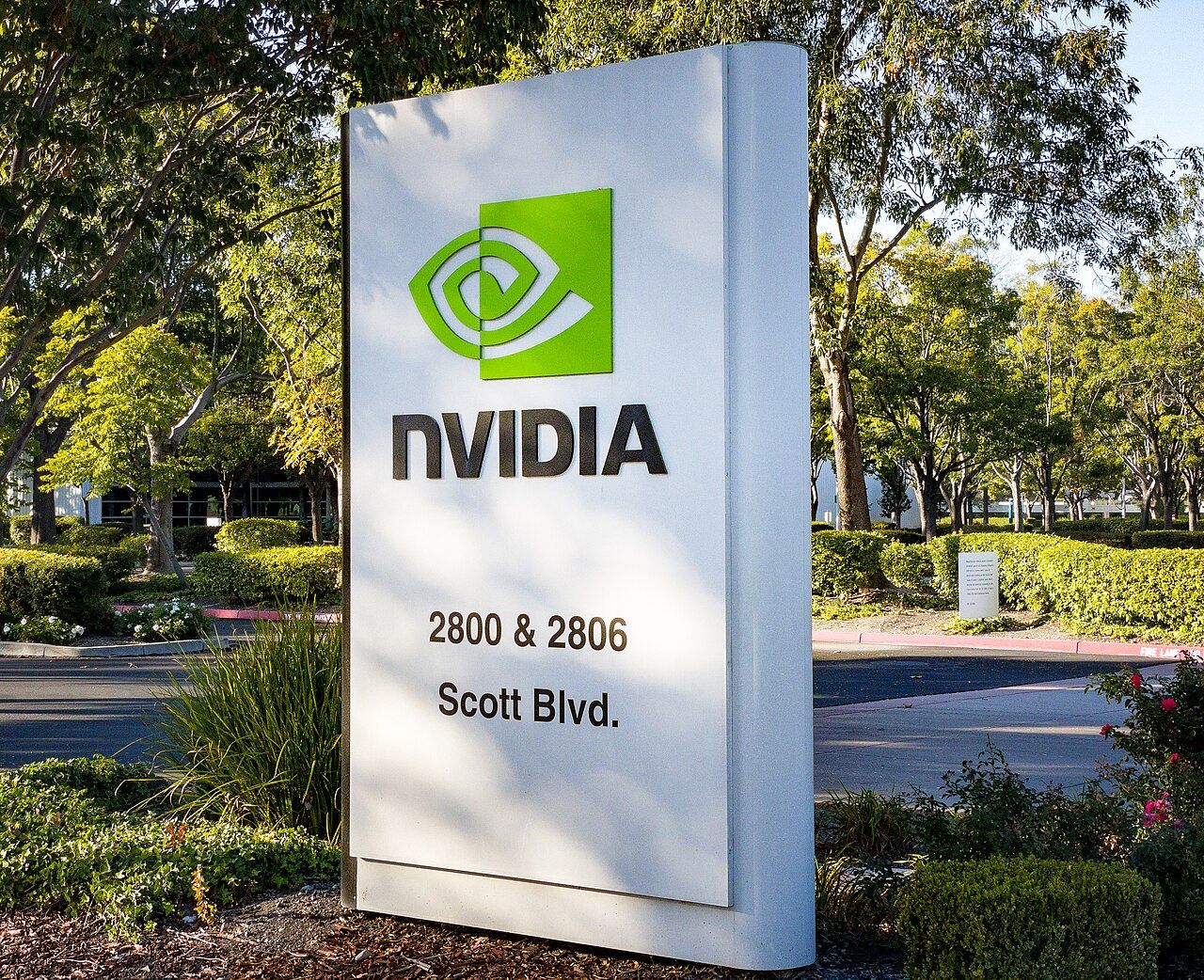
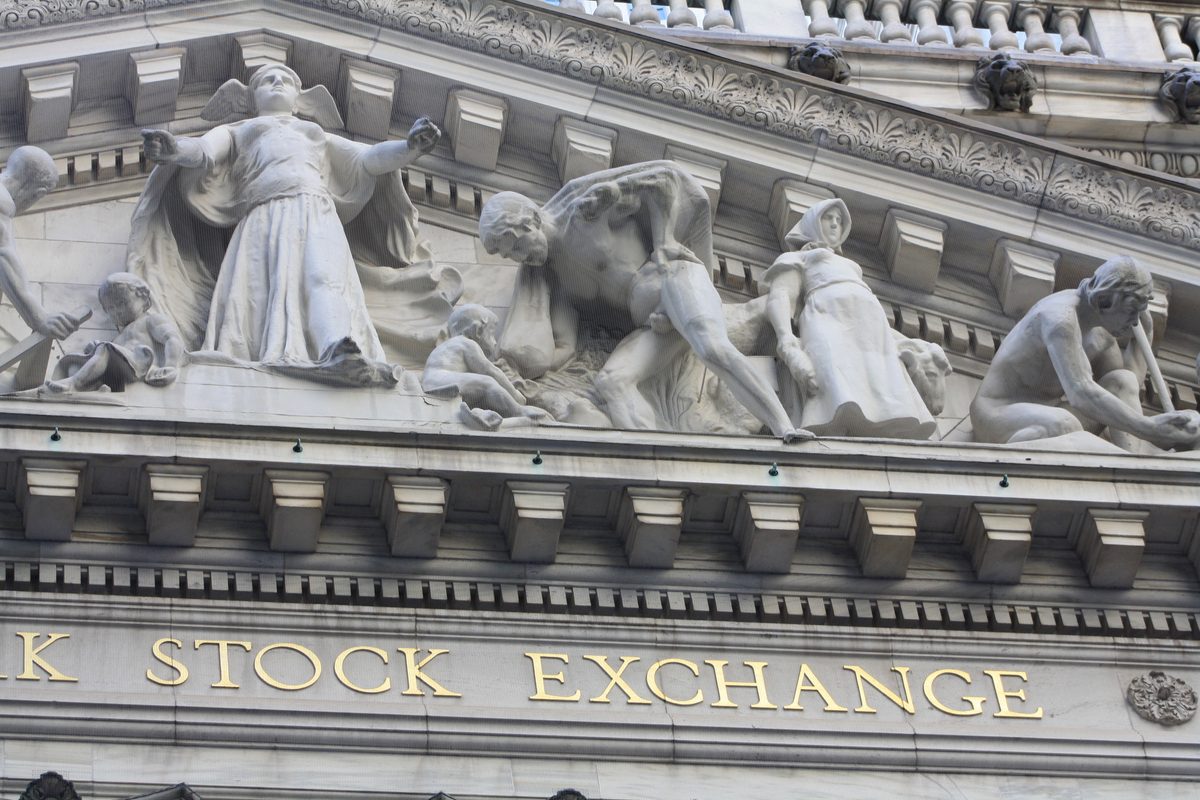
Wall Street's major indices fell by about 0.4 per cent as Nvidia shares briefly dropped sharply in early trading, following reports of a sudden resignation at the top of the AI chip giant.
U.S. stocks slipped and Nvidia shares fell sharply in early trading after reports of a sudden leadership upheaval at the company that has powered the market's rally. The reaction was swift, not only in Nvidia itself but across chip stocks and big technology names, as investors tried to judge whether the news was a company-specific shock or a threat to a much larger story that has lifted markets.
What happened on the market
The headline numbers captured a nervous start rather than a rout. Major indices fell by about 0.4 per cent, a move that signals broad caution, while Nvidia itself briefly dropped sharply in early trading. That difference in scale is typical when a single, heavily weighted company is at the centre of the news: the stock at the heart of the story moves first and furthest, and the wider market follows more moderately as traders reassess related holdings.
Nvidia has been the emblem of the artificial-intelligence boom, so any uncertainty around its leadership travels quickly through the wider market, dragging chip stocks and big technology names with it. Companies that supply, compete with or depend on the same demand for advanced computing power are often traded as a group during moments of uncertainty, even before investors have detailed information about what has changed.
Traders said the first question is continuity: who leads, what changes, and whether customers and regulators react. Those three questions go to the heart of how markets value a company like Nvidia. Leadership is not only about a title. It affects decisions on products, investment, partnerships and how a company deals with governments in a sector that has become strategically sensitive as well as commercially valuable.
Why Nvidia matters so much
To understand the market reaction, it helps to understand Nvidia's role in artificial intelligence. The company is best known for the advanced chips that are widely used to train and run AI systems, a position that has made it a central supplier in the build-out of data centres and a bellwether for demand across the technology industry. When investors want a single name to express optimism about AI, Nvidia has often been that name.
That status explains both its rise and its vulnerability. A company that symbolises a boom benefits when confidence is high, because buying concentrates in the perceived leader. The same concentration works in reverse when confidence is shaken. If investors begin to doubt leadership continuity at the symbol of the rally, they may question valuations not only for that company but for the broader group of stocks that have risen alongside it.
For investors, the story is no longer just about one executive. It is about how concentrated the AI rally has become, and how vulnerable it is when a single company dominates the story. Concentration can take several forms: a few large technology companies accounting for a growing share of index gains, portfolios holding similar positions, and a market narrative that rests heavily on continued demand for AI infrastructure. Thursday's early trading illustrated how quickly that structure can be tested.
The Commerce Department also came under scrutiny in Washington reporting as officials reviewed the fallout. That scrutiny reflects the wider significance of advanced chips beyond the stock market. Semiconductors sit at the intersection of trade, industrial policy and national competitiveness, so a shock at a leading chip company quickly attracts attention in Washington as well as on Wall Street. In the initial reporting, that review was part of the background to the market move rather than a separate confirmed policy response.
What happens next
The next phase of the story will depend on clarity. Markets can absorb bad news more easily than uncertainty, and a sudden leadership upheaval creates uncertainty in several directions at once. Investors will look for a clear account of what has changed at the top, what remains the same in the company's operations, and whether major customers or regulators signal any concern.
Company communication will therefore matter as much as the next price move.
Beyond the trading day, the episode is a reminder of a risk that is easy to forget during a strong rally. When a market advance is powered by a compelling story and a small number of dominant companies, it can feel diversified because an index contains many names, while the actual gains depend on very few. A leadership shock at one of those few is enough to test the whole structure.
For now, the facts are contained: indices down about 0.4 per cent, Nvidia down sharply in early trading, and a market asking the same continuity questions that traders posed at the open. Whether Thursday is remembered as a brief scare or the start of a deeper rethink will depend on answers that had not yet arrived when the first prices were struck.