The Secrets of Mark Zuckerberg: The $1 Salary, the Hawaii Lawsuits and the 'Little Shelter'
Mark Zuckerberg preached openness while building one of the most private lives in technology: a dollar-a-year salary, a walled Hawaiian ranch assembled over a decade and a voting grip on Meta that shareholders cannot outvote.
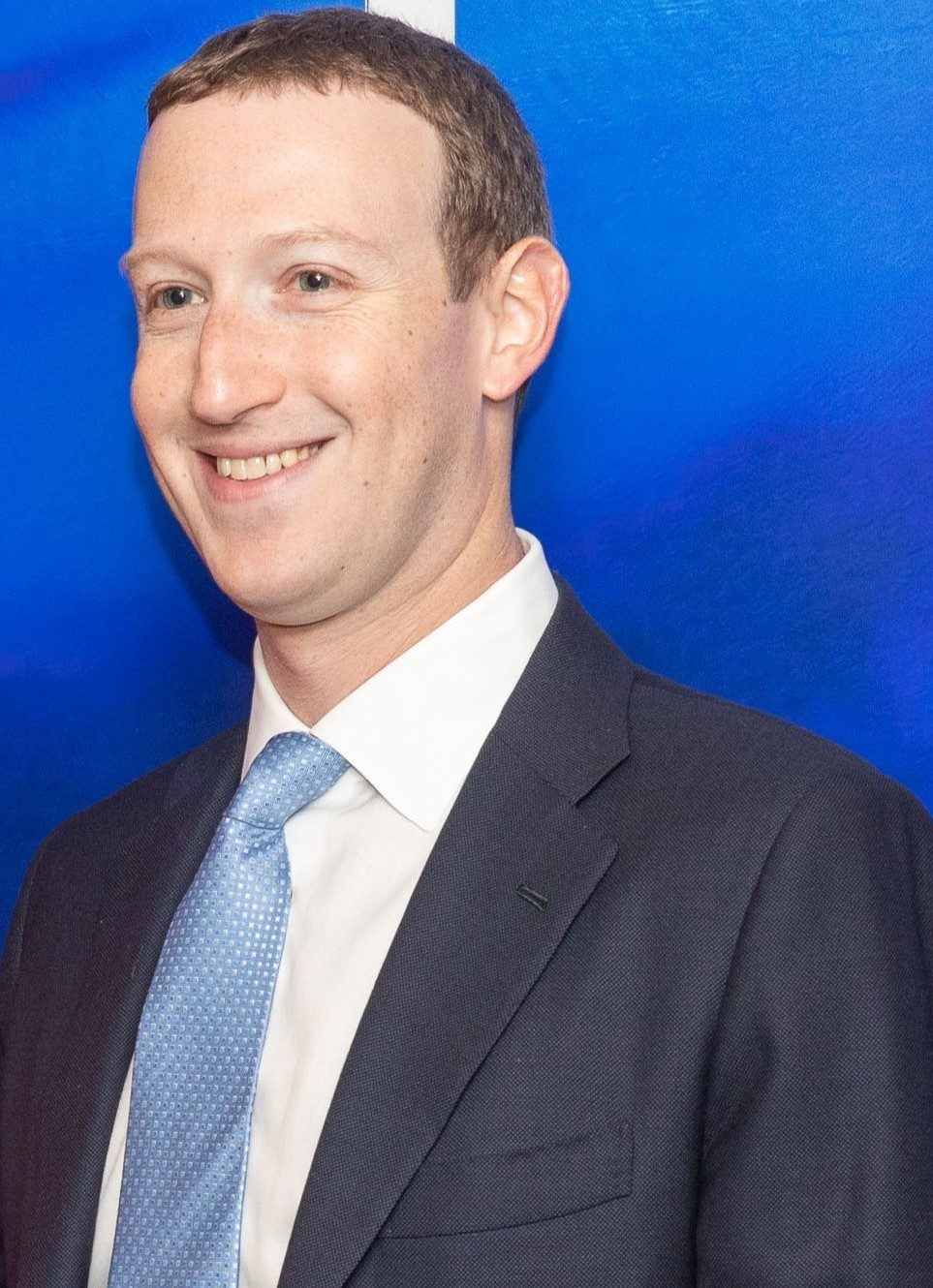
Mark Zuckerberg built the world's largest social network on the idea that people should share more of their lives. His own life, as documented in securities filings, court papers and an investigation by Wired magazine, is one of the most carefully sealed in tech: a salary of one dollar a year, a structure that makes him impossible to outvote, and a Hawaiian estate assembled behind walls, lawsuits and non-disclosure agreements.
Control that cannot be voted away
The control is structural, not informal. Meta's filings with the Securities and Exchange Commission describe a two-tier share system in which Zuckerberg's Class B shares carry ten votes each, giving him a majority of the company's total voting power while he owns a far smaller share of its economics. That arrangement, in place since before Facebook's 2012 stock market debut, means shareholders cannot remove him even when they disagree — as many did after the Cambridge Analytica scandal, when investors backed proposals to curb his power and lost. His formal pay, according to Meta's proxy statements, has been a base salary of $1 a year since 2013, with no bonus or new stock awards; the real cost in those filings is security, which Meta has reported in the tens of millions of dollars in some years.
The pattern of control began early. At Harvard, his Facemash site, which ranked students' photos, was shut down within days and he was brought before a disciplinary board — an episode documented by The Harvard Crimson. The founding of Facebook itself generated years of litigation: a $65 million settlement with Cameron and Tyler Winklevoss, who said the idea was theirs, and a separate settlement with co-founder Eduardo Saverin, whose removal was later described in court filings and in Ben Mezrich's book The Accidental Billionaires. The settlements were not admissions of wrongdoing.
The gray T-shirt is a system, not a quirk
For years Zuckerberg appeared in the same gray T-shirt and jeans. At a public question-and-answer session in 2014 he explained that he wore the same outfit most days to clear his life of small decisions so he could spend his energy serving Facebook's users. The same impulse produced his public annual challenges: learning Mandarin in 2010 — he later addressed Tsinghua University students in Mandarin — eating, in 2011, only meat from animals he had killed himself, a project he described to Fortune; and running 365 miles across 2016.
His wedding showed the same instinct for secrecy in reverse. In May 2012, the day after Facebook's stock market debut, he married Priscilla Chan at home in Palo Alto; according to the Associated Press, guests arrived believing they were attending a party for Chan's graduation from medical school. More recently the private pursuits have turned physical. Zuckerberg has posted about training in Brazilian jiu-jitsu and mixed martial arts, won medals in his first jiu-jitsu tournament in 2023, and in November that year disclosed, in a post showing him in a hospital bed, that he had torn a knee ligament while sparring and undergone surgery. In 2024 he posted that his Hawaii ranch was raising cattle fed on macadamia meal and on beer brewed on the property, aimed, he said, at producing world-class beef.
Kauai: the lawsuits he dropped and the shelter he calls a basement
In 2014 Zuckerberg bought roughly 700 acres of oceanfront land on Kauai's north shore, in a purchase Forbes and others put at about $100 million. Inside his boundaries sat fourteen small parcels known as kuleana land, granted to Native Hawaiian families in the mid-1800s and splintered among hundreds of descendants. In December 2016, companies tied to Zuckerberg filed "quiet title" lawsuits that could have forced the parcels to be sold at auction. The backlash in Hawaii was immediate and fierce; lawmakers proposed changing the law. In January 2017 Zuckerberg dropped the suits, writing in a letter published in The Garden Island newspaper, as the Associated Press reported, that he and Chan had made a mistake and wanted "to make this right" and work with the community instead.
The buying did not stop. Wired, which reviewed planning documents and interviewed people familiar with the project, reported in 2023 that the estate, called Ko'olau Ranch, had grown to about 1,400 acres, with later reporting putting his Kauai holdings higher still. Wired described a self-sufficient compound of mansions, treehouses and guest buildings whose plans included an underground shelter of about 5,000 square feet with its own energy and food supplies, an escape hatch and a metal door filled with concrete — and a workforce bound by strict non-disclosure agreements, enforced, one local official told Wired, like a military installation. Zuckerberg has rejected the "doomsday bunker" description: in an interview with Bloomberg he called the space "just like a little shelter," adding, "It's like a basement." His representatives have described the ranch as the family's home and a working conservation and cattle operation. Both descriptions remain on the record; which one fits a 5,000-square-foot shelter is a question Zuckerberg has left unanswered.