Ukraine and Russia prepare largest prisoner exchange, Zelenskyy says, as next talks are planned
President Volodymyr Zelenskyy said Ukraine and Russia are preparing what he described as their largest prisoner-of-war exchange, after meeting United States envoys in Dublin.
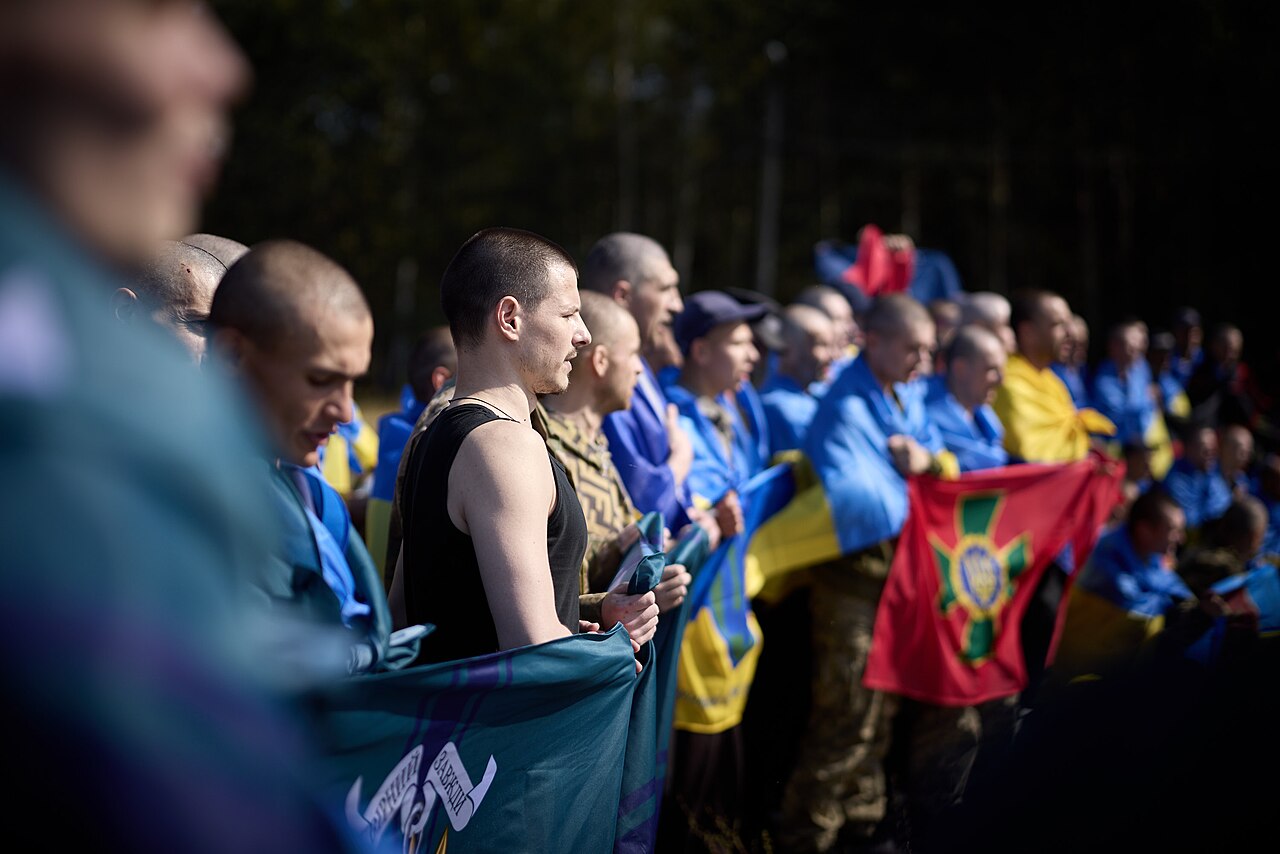
Ukraine and Russia are preparing what President Volodymyr Zelenskyy described as their largest prisoner-of-war exchange, he announced on November 12 after meeting United States presidential representatives Jared Kushner and Steve Witkoff in Dublin.
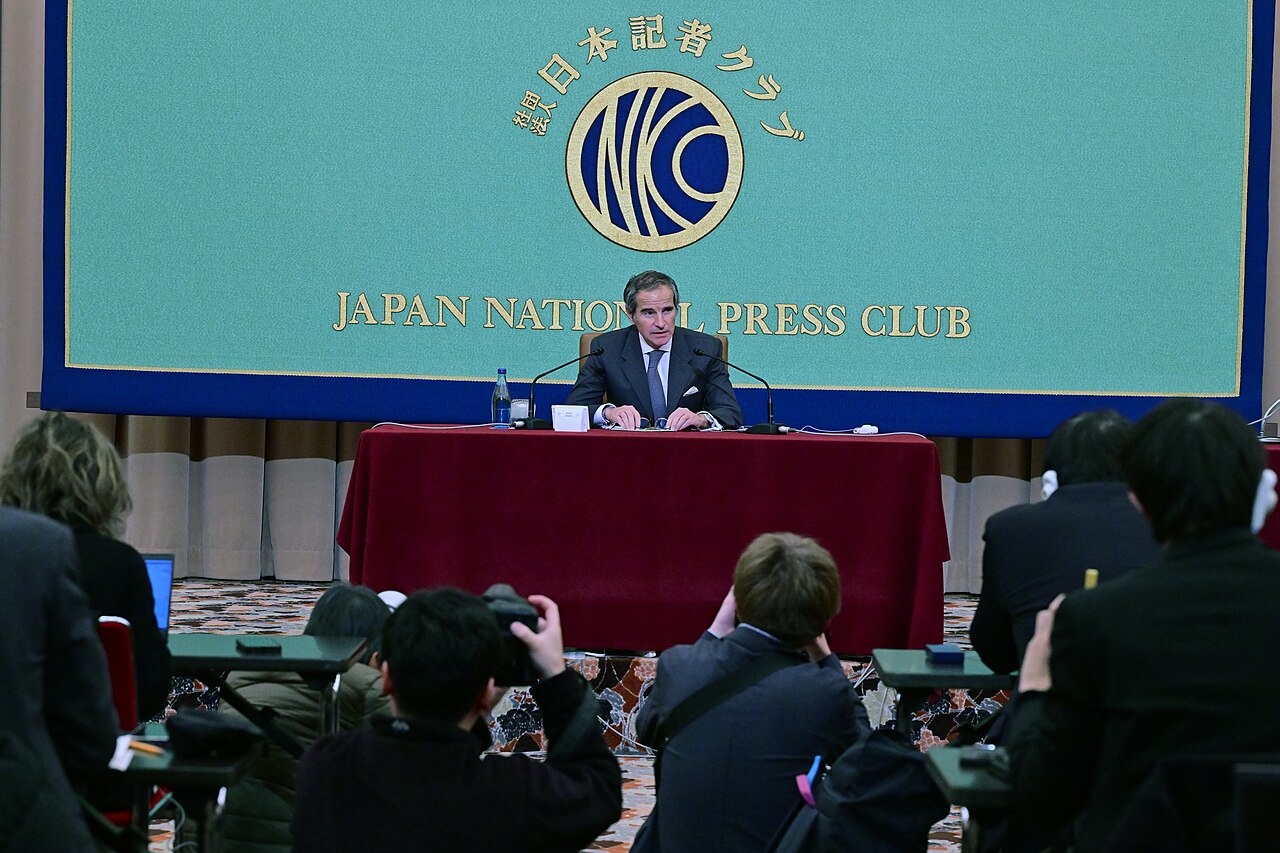
United States special envoy Steve Witkoff said on November 13 that another meeting to discuss ending the war had already been scheduled. He and Kushner had earlier held talks with President Vladimir Putin in Moscow, and Putin agreed to let European representatives join the next round of talks.
Taken together, the announcements pointed to a diplomatic track moving on several fronts at once: a humanitarian exchange between the two warring capitals, a further round of talks already in the diary, and a widening of those talks to include European representatives. None of that amounts to a peace agreement, and the fighting continued in parallel. But prisoner exchanges and scheduled meetings are the practical machinery by which wars are sometimes slowed and, eventually, ended — and both were in motion this week.
Why prisoner exchanges matter
A large exchange would be a rare concrete step in a war where talks have repeatedly stalled.
Prisoner-of-war exchanges occupy a special place in this conflict. They are one of the few areas in which Kyiv and Moscow have continued to reach and implement agreements even while disagreeing on almost everything else, from territory to the terms on which the war might end. Each exchange requires detailed lists, verification, medical checks, transport arrangements and a location and timing that both sides trust enough to observe. When an exchange happens, it demonstrates that channels between the two sides are functioning, whatever the state of the wider negotiations.
For the families involved, the significance is not diplomatic at all. A prisoner exchange means named individuals — soldiers who have been held, in some cases incommunicado — coming home. Announcements that an exchange is being prepared therefore carry an emotional weight that statements about future talks do not, and they raise hopes that must be managed carefully until lists are final and the transfer itself has taken place. Describing the planned exchange as the largest yet raises those hopes further, and also raises the cost of disappointment if preparations falter.
Exchanges can also build a small measure of working trust between officials who may later discuss harder questions. That does not make an exchange a ceasefire, but it is progress measured in people returned, rather than in communiques issued.
A wider table for the next talks
Witkoff's statement on November 13 that another meeting had already been scheduled was, in its own way, as significant as the exchange announcement. In stalled peace processes, the simple fact of a next meeting — agreed and acknowledged in public — is often contested. Confirming one in advance is a way of telling both domestic audiences and the other side that the process has momentum and will not be allowed to drift.
He and Kushner had earlier held talks with Putin in Moscow, and Putin agreed to let European representatives join the next round of talks. European participation has been a sensitive question throughout the diplomatic effort. European governments are among Ukraine's principal supporters, they host large numbers of Ukrainian refugees, and any lasting settlement would affect the security of the continent directly. Their absence from a negotiating table has therefore been a source of tension. An agreement that European representatives can join the next round widens the table, even if it also makes the discussion more complex.
War continues while diplomats talk
The diplomacy is running alongside continued fighting. Russia said it carried out a massive overnight strike on military factories across Ukraine, and Kyiv mayor said a Russian drone struck an apartment block in the capital.
That juxtaposition — envoys announcing meetings while strikes are reported overnight — has been a recurring feature of this war's diplomacy. Neither side pauses its military operations simply because talks are scheduled, and each strike hardens the public mood in which negotiators must work. A drone hitting an apartment block in the capital is not only a military event. It is a reminder to Ukrainian negotiators, and to the public they answer to, of the daily cost of the war they are trying to end.
Whether it leads to a wider ceasefire will depend on the next round of meetings, and on whether the fighting eases while they happen. That judgement remains the right measure of the moment. A record prisoner exchange would be a genuine humanitarian achievement and a sign that channels are working. A scheduled meeting with a wider table would be a sign that the process is serious. But a ceasefire requires the guns to fall quiet and stay quiet — and on the evidence of this week, that test has not yet been met.