The Secrets of Elon Musk: The Factory Floor, 'Demon Mode' and the Christmas Eve Bet
Elon Musk runs Tesla and SpaceX in public, but his biographers describe a stranger private operating system: sleeping at the factory, splitting his last fortune between two dying companies and working in bursts colleagues call demon mode.
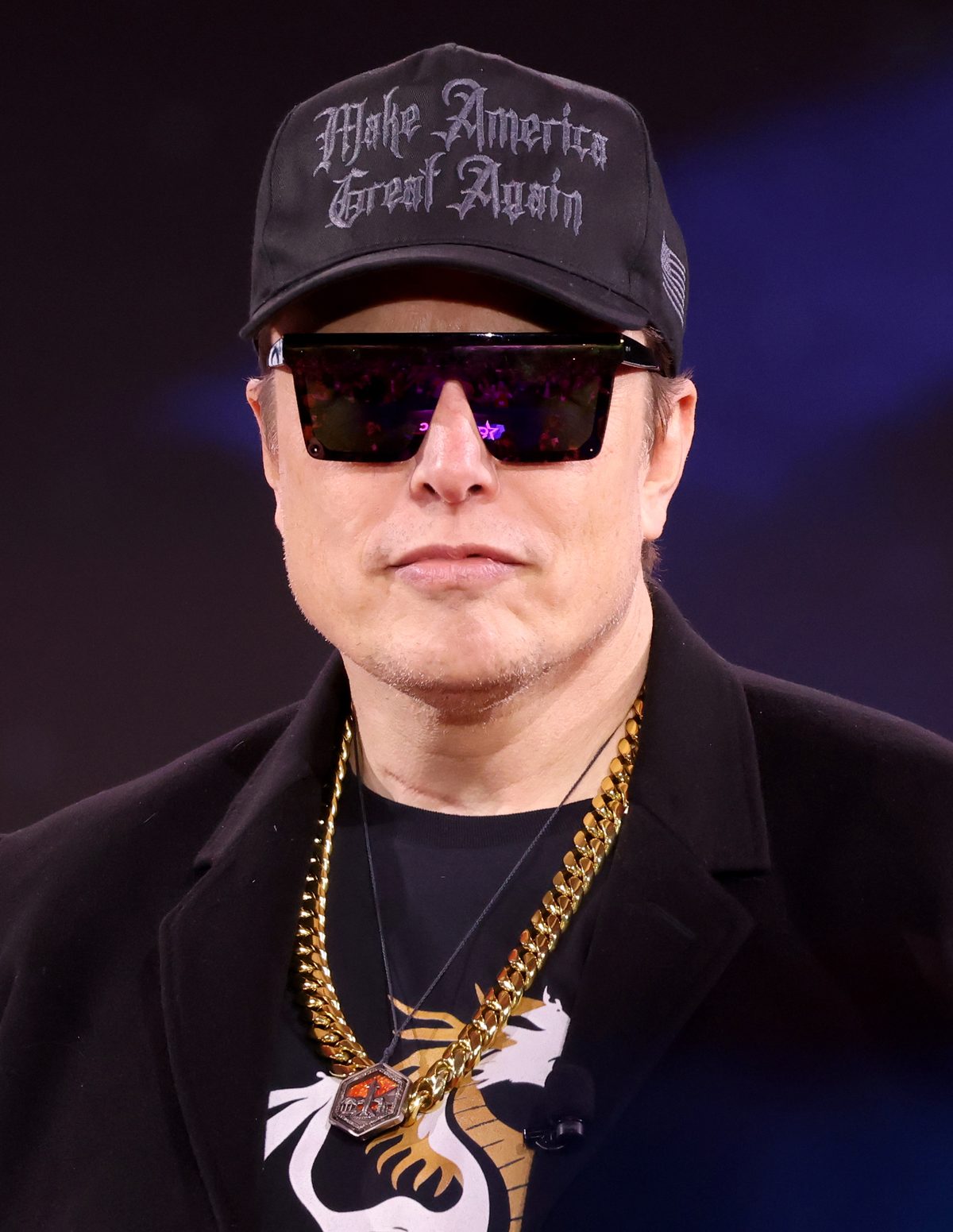
Elon Musk may be the most public chief executive alive, narrating his companies in real time to tens of millions of followers. Yet the two fullest accounts of his life — Ashlee Vance's 2015 biography and Walter Isaacson's 2023 book, written after Isaacson shadowed him for two years — describe a private operating system that is stranger than the public one: a fortune repeatedly wagered to the last dollar, and a work style his own colleagues learned to fear.
Musk was born in Pretoria, South Africa, in 1971, and according to both biographers he was a lonely, bookish child who read for as much as nine or ten hours a day, working through the encyclopedia when the library ran out. Vance reported that he was bullied badly at school and was once hospitalized after being beaten and thrown down concrete steps. At about twelve, he wrote a simple space game called Blastar and sold the code to a computer magazine — an early sign, Isaacson wrote, of a boy who preferred machines to people.
A hard childhood, and a father he cut off
Both biographies describe his father, Errol Musk, as brilliant and cruel in roughly equal measure. Musk has called his father, in interviews, a terrible human being, and the two have been estranged for long periods. Errol Musk has rejected the harshest characterizations of him in interviews of his own and has said his son's accounts exaggerate. What is documented is the outcome: Musk left South Africa at seventeen, in part, he has said, to avoid military service under apartheid, and rebuilt his life in Canada and then the United States with almost no family safety net.
That self-reliance hardened into an unusual relationship with risk: according to Vance and Isaacson, he poured his PayPal fortune into SpaceX, Tesla and SolarCity, and by late 2008 all three were close to collapse.
Christmas Eve 2008: the last dollars on the table
The least-known episode of Musk's career is how close it came to ending in 2008. According to Isaacson's biography, Musk divided the roughly $40 million he had left between Tesla and SpaceX, even though bankers told him splitting the money risked losing both, because he could not bring himself to choose which company should die. He was, by his own account to biographers, borrowing money from friends to cover his living expenses while running two firms that employed thousands.
SpaceX was saved on December 23, 2008, when NASA awarded it a $1.6 billion station-resupply contract, days after its fourth rocket finally reached orbit. Tesla closed a financing round on Christmas Eve. Isaacson coined the phrase "demon mode" for what colleagues described next: periods in which Musk becomes cold, driven and brutally demanding, sleeping at the factory and treating every deadline as an emergency.
A decade later the pattern repeated. During Tesla's 2018 Model 3 "production hell," Musk said publicly that he was sleeping on the Fremont factory floor, working weeks of more than 100 hours and going days without leaving the plant. He later told investors the period aged him and nearly broke the company. His five-step engineering method, set out in Isaacson's book — question every requirement, delete parts, simplify, accelerate, and automate only last — was written in that crucible.
No house, one public diagnosis and a very expensive post
In 2020 Musk announced on social media that he would sell almost all his physical possessions and "will own no house." Property records and reporting confirmed that he sold his Los Angeles mansions, and Musk later said his primary home was a small house worth about $50,000 in Boca Chica, Texas, that he rents from SpaceX.
In May 2021, hosting Saturday Night Live, he told the audience he had Asperger's syndrome — the first time, he said, that someone hosting the show had admitted it publicly. He has also been candid that fame has a price he keeps paying. In August 2018 he posted that he had "funding secured" to take Tesla private at $420 a share. The Securities and Exchange Commission sued, saying the claim was false and misleading; Musk and Tesla each paid a $20 million penalty and Musk gave up the chairman's role for three years, without either admitting wrongdoing. A jury in a separate investor case later found him not liable.
The private costs surface in the record too. In 2022 his daughter Vivian Wilson, in court papers reported by Reuters and others, petitioned to change her name and said she no longer wished to be related to her biological father. Musk has blamed her views on her schooling; Wilson, in a 2024 interview with NBC News, disputed his public accounts of their relationship. Meanwhile Reuters' 2023 investigation documented more than 600 previously unreported injuries at SpaceX sites since 2014; SpaceX did not respond to Reuters' detailed questions at the time. The secrecy around Musk, in the end, is not about hiding. It is that the documented life — the floor-sleeping, the all-in bets, the feuds — is more extreme than the myth built on top of it.