Japan to spend 650 billion yen to cut winter energy bills
Japan's cabinet will tap emergency reserves to help households with winter utility bills as energy prices stay high amid Middle East tensions.
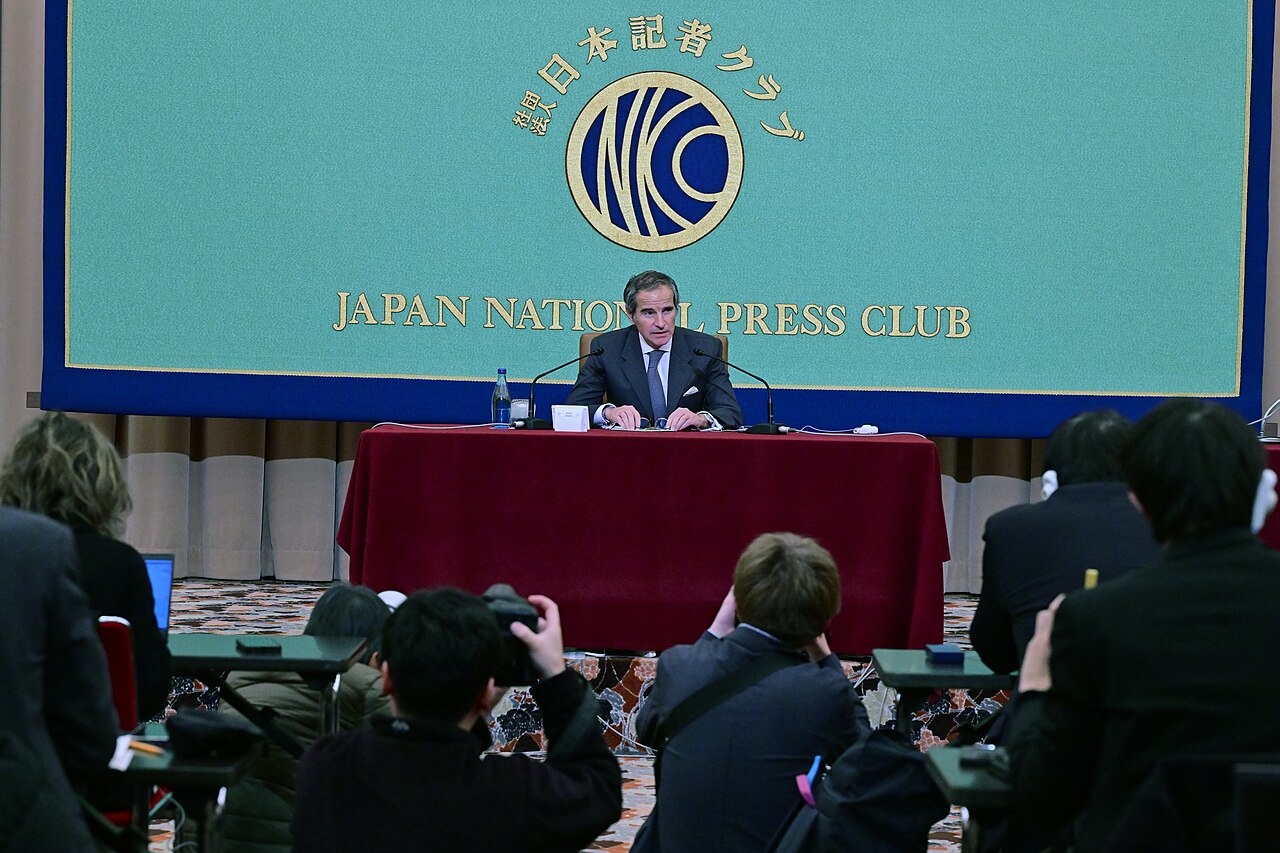
Japan's cabinet, led by Prime Minister Sanae Takaichi, decided on Friday to tap 650 billion yen - about $4.1 billion - from emergency reserves to reduce utility bills during the winter, Kyodo News reported.
Japan's cabinet will tap emergency reserves to help households with winter utility bills as energy prices stay high amid Middle East tensions. The decision is aimed at cushioning families at the point in the year when heating and electricity use rise, and when higher energy costs are hardest to avoid. By using reserves already set aside for urgent needs, the government hopes to get relief in place quickly rather than waiting for a longer budget process.
What the government decided
The central figure is 650 billion yen, about $4.1 billion, drawn from emergency reserves to reduce utility bills during the winter. The choice of emergency reserves is significant in itself. Reserves are intended for needs that a government judges too urgent to wait for a new budget law, and tapping them signals that ministers see winter bills as an immediate pressure on households rather than a problem that can be addressed later in the financial year.
The support is designed to move quickly rather than wait for a new budget law, a sign the government wants relief in place before the coldest months. Speed matters for energy support because bills are driven by the weather. Help that arrives after the coldest period, however well designed, does less for households that had to heat their homes while prices were at their highest. A decision taken on Friday, ahead of the deepest part of winter, is intended to avoid that lag.
Kyodo News reported the cabinet decision, led by Prime Minister Sanae Takaichi. As with most household support measures, the value to individual families will depend on how the money is applied to bills in practice, which homes and fuels it reaches, and how long the reduction lasts. The headline total establishes the scale of the government's commitment, while the practical test will be whether households see a clear difference when their winter bills arrive.
Japan is particularly exposed to energy prices because it imports much of the fuel it uses. When international oil and gas markets rise, the cost feeds through to electricity generation, heating and transport, and then to the bills households and businesses pay. That import dependence means a government in Tokyo has limited control over the underlying price, but a direct choice about how much of that price to cushion at home.
Why energy bills are under pressure
Energy prices remain elevated as tensions in the Middle East keep pressure on oil and gas markets, and winter is when that pressure hits households hardest. The Middle East is a major source of the world's oil and gas, and any tension that raises concern about supply can lift prices even before physical supplies are interrupted. Traders price in risk quickly, and those market moves reach consumers through fuel and utility costs.
Winter compounds the problem. Cold weather increases demand for heating at the same time across many countries, tightening markets and making households less able to respond by simply using less. A family can postpone some purchases when prices rise, but heating a home in cold weather is not optional in the same way, especially for older people, young children and those with health conditions.
For Japan, the seasonal pattern is familiar but no less difficult. Utility bills are a visible, monthly reminder of global events that can otherwise feel distant. A conflict or tension thousands of miles away becomes concrete when it appears in the cost of keeping a home warm and lit. That connection is one reason energy support is politically sensitive: it is both an economic measure and a direct response to something voters experience at home.
What happens next
The package will also be watched as an early test of the Takaichi government's economic priorities: cushioning households without adding a permanent new spending programme. That balance is central to how the decision will be judged. Using emergency reserves for a defined winter purpose offers relief now, but it also raises the question of what happens if prices stay high after the support period ends.
Attention will now turn to implementation and to the course of energy prices themselves. If Middle East tensions ease and market pressure falls, the 650 billion yen may be remembered as a bridge through a difficult winter. If prices remain elevated, the government could face fresh calls to extend or repeat the help, and the test of avoiding a permanent new spending programme would become harder.
For households, the immediate question is simpler: how much difference the support makes, and when. The cabinet has set the scale and the source of the money. The coming weeks, as the coldest months approach and bills are issued, will show how that national decision translates into relief at the kitchen table.