Four tankers hit by explosions in Strait of Hormuz, Iran says, as oil jumps
Iran said four oil tankers were hit by explosions in the Strait of Hormuz, and Brent crude rose 3.3 per cent as traders priced in risk to a vital shipping lane.
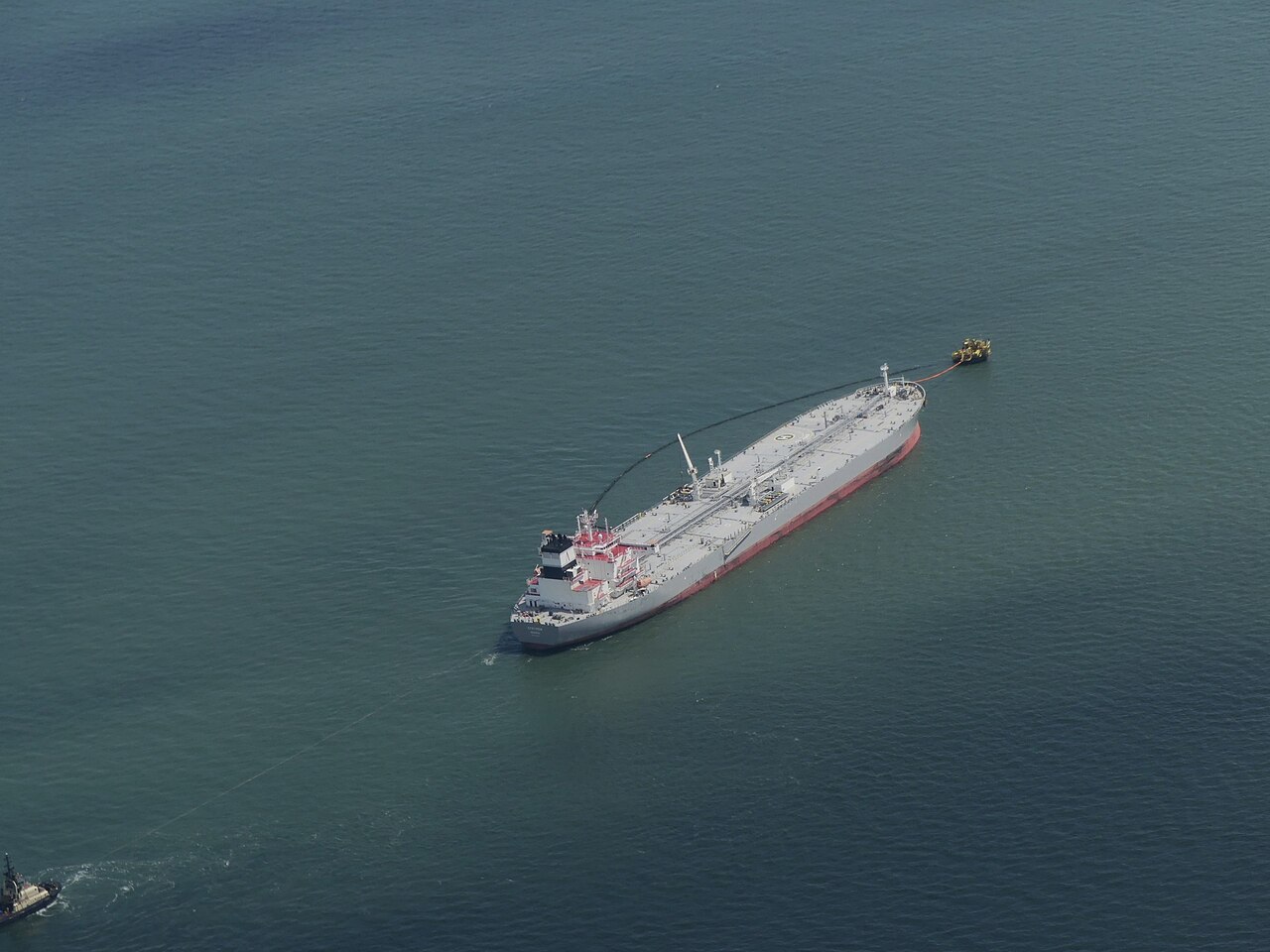
Four oil tankers were hit by explosions in the Strait of Hormuz, Iran's military said on Thursday, adding that the vessels had ignored warnings and entered what it considers restricted areas of the strategic waterway.
The report immediately drew attention far beyond the strait itself. The Strait of Hormuz is one of the world's most important energy chokepoints, carrying a large share of globally traded oil — about a fifth of global oil trade passes through the narrow passage in normal times. Even a brief disruption, or the fear of one, moves prices immediately, affects shipping decisions and is felt by consumers and businesses thousands of miles away.
Brent crude rose 3.3 per cent to $95.82 a barrel after the reports, as Washington warned of possible fresh military action in the region. The move in the market reflected not only what had been reported to have happened, but what traders feared might happen next if commercial traffic were to slow or if the security situation were to deteriorate further.
What happened
Iran's military said four oil tankers were hit by explosions on Thursday. In its account, the vessels had ignored warnings and entered what it considers restricted areas of the waterway. The original reporting did not include confirmed independent assessments of damage to each vessel, details about their crews, or statements from the ships' owners and operators, and those elements will be essential to establishing a fuller picture of the incident.
The Strait of Hormuz connects the Persian Gulf with the Gulf of Oman and the open sea beyond. It is bordered by Iran to the north and by Oman and the United Arab Emirates to the south, and it is the only sea passage from the Gulf for large volumes of oil and liquefied natural gas produced in the region. Because so much energy passes through such a narrow channel, any incident there is treated by markets and governments as potentially significant, even before the full facts are known.
Reports of explosions involving tankers therefore trigger a familiar sequence: shipping companies seek urgent guidance, insurers reassess risk, and energy traders reprice the likelihood of delay or disruption. In this case, Iran's statement provided the initial explanation for the incident, framing it as a consequence of warnings being ignored, but the lack of independent confirmation at this stage means other accounts may emerge and earlier details may be revised.
Why it matters
Energy markets are unusually sensitive to the Strait of Hormuz precisely because there are few easy alternatives. Pipelines that bypass the strait exist but have limited capacity compared with the volume normally shipped by sea. That means a sustained slowdown in tanker traffic cannot be quickly replaced by other routes, and even a short interruption can tighten supply, raise transport costs and push up prices for fuel and for goods that depend on fuel to move.
Brent crude's rise of 3.3 per cent to $95.82 a barrel captures that sensitivity in a single number. Brent is a global benchmark, so a move of that size affects pricing well beyond the cargoes physically passing through the strait on a given day. Higher oil prices, if sustained, feed into transport, manufacturing and household energy costs, and they complicate the work of central banks and governments trying to manage inflation and growth.
The warning from Washington of possible fresh military action adds a second layer of risk. When military language accompanies a shipping incident, markets and shipowners must consider not just the damage already reported but the possibility of escalation, retaliation or additional restrictions on movement. That uncertainty alone can lead some operators to pause, reroute or delay voyages, which in turn can create the very slowdown that traders fear, even if the waterway remains formally open.
What happens next
Ship owners and insurers will be watching for confirmed damage assessments and for whether commercial traffic through the strait slows in the coming days. Those two questions — how badly the four tankers were affected, and whether other vessels continue to transit — will determine whether this incident remains an acute but contained shock or develops into a broader disruption.
In practical terms, the next confirmed information is likely to come from shipping data, statements by owners and operators, port authorities and insurers, and any further statements from governments in the region and from Washington. Each will help clarify how many vessels are affected, whether traffic is flowing at normal levels, and what guidance is being given to crews and companies considering a transit.
Oil prices will also be a closely watched signal, though they reflect expectations as much as physical supply. If traffic continues and damage proves limited, the initial spike could ease. If transits fall, or if further incidents or military steps are reported, prices could remain elevated and volatility could persist.
BreakingNewsWorld is presenting this as a developing story based on attributed reporting. We will update it when confirmed damage assessments and reliable information about shipping movements become available from the original sources.